There’s a app on your phone right now.
You open it for “five minutes.” You look up. It’s been two hours. You’re not sure what you watched. But you can’t put it down.
That’s TikTok.
And if you’re a designer? That feeling makes you deeply uncomfortable.
Let’s Talk About What Good Design Is Supposed to Be
Design school teaches you certain things.
Give users control. Respect their time. Make navigation clear. Create breathing room. Let people make conscious choices.
These are not just rules. They’re principles built on decades of human-computer interaction research. They exist to protect users.
TikTok ignores almost all of them.
And it works better than anything else on the internet.
That’s the problem.
What TikTok Actually Does
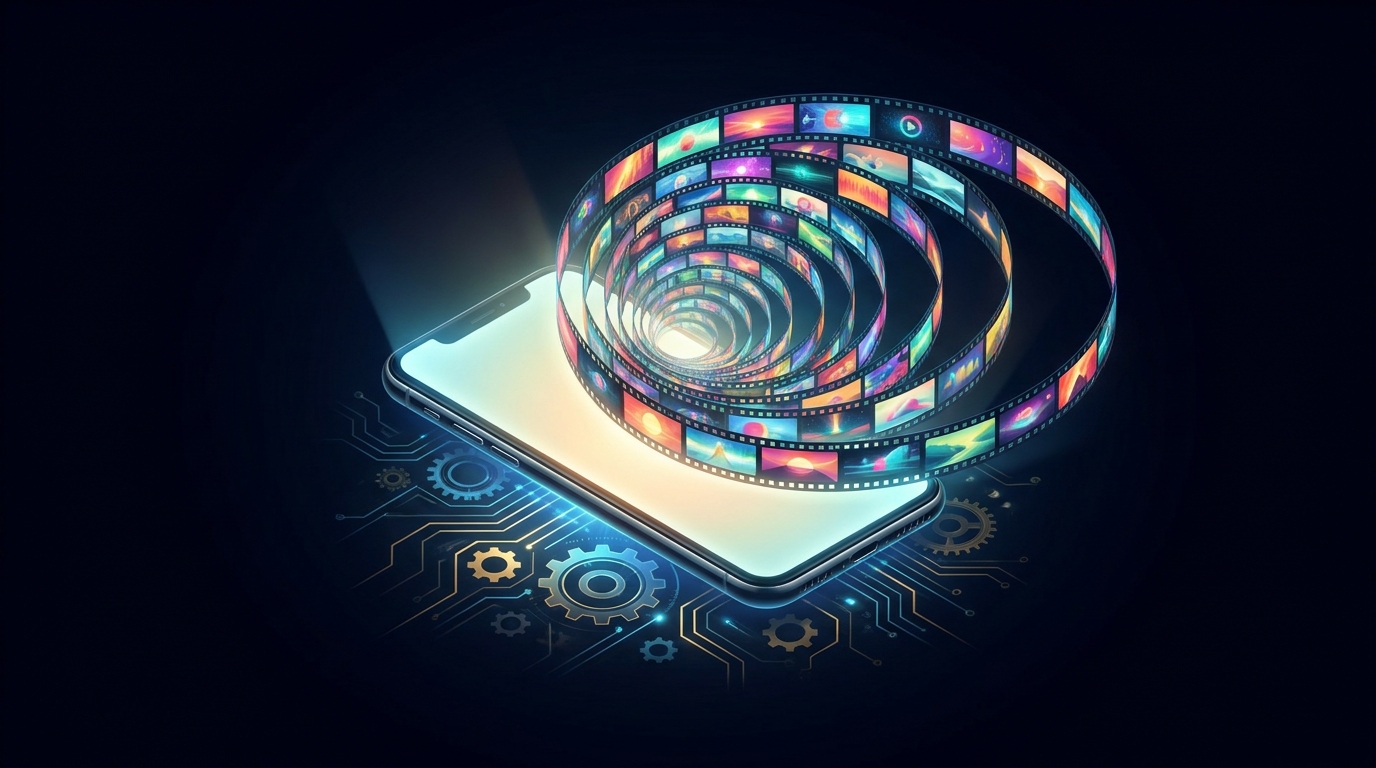
Open TikTok. You don’t choose what to watch. The app decides. You just scroll. One video ends. Another begins instantly. No pause. No gap. No moment to think.
There’s no homepage in the traditional sense. No menu you need to explore. No categories to browse. You just… fall.
The interface is almost invisible. One screen. One video. Full screen. Always.
Everything is stripped away except the content.
From a pure usability standpoint, that’s actually impressive. But the reason it works is where things get dark.
The Infinite Scroll Problem
Infinite scroll isn’t new. Twitter had it. Instagram has it. Facebook built an empire on it.
But TikTok took it further.
With photos or text, you still control the pace. You read. You stop. You process. There are micro-moments of friction.
TikTok removed those moments entirely.
Video plays automatically. The next one loads before the current one ends. Your thumb does one small gesture. And you’re already somewhere else.
The friction is gone. So is your agency.
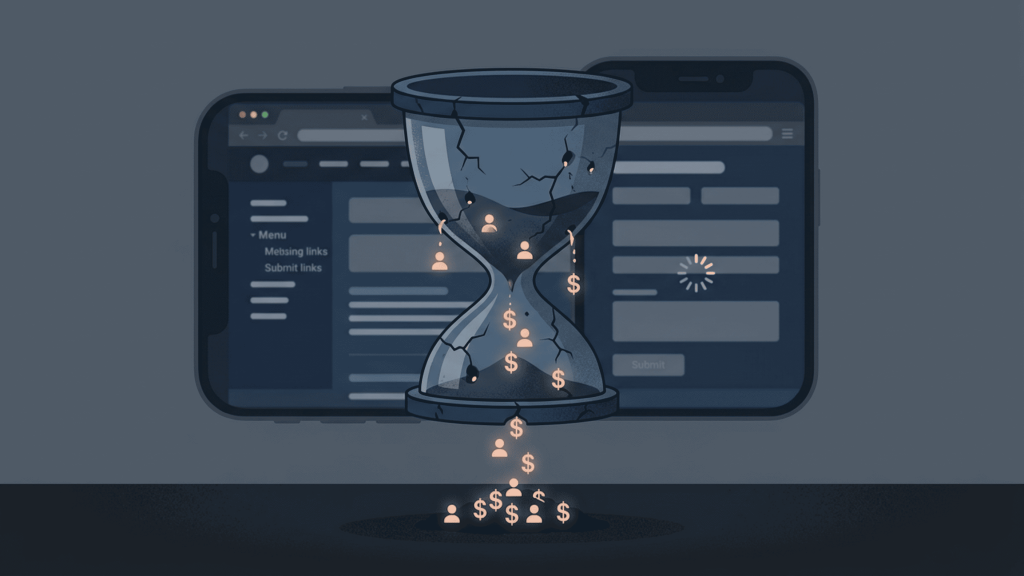
Designers know what friction does. It creates pause. Pause creates awareness. Awareness creates choice. Take away friction and you take away choice.
TikTok knows this. That’s why it’s gone.
The Algorithm Is the UI
Here’s what most people miss.
TikTok’s real interface isn’t the screen you see. It’s the recommendation engine underneath.
The algorithm watches everything. How long you pause on a video. Where you rewatch. What you skip. What makes you comment at 1am. It builds a model of you that is frighteningly accurate.
Then it feeds that model back to you.
It’s not showing you what’s popular. It’s showing you what you specifically cannot resist.
That’s not a feed. That’s a mirror designed to keep you looking.
Traditional UI design puts the user in control. TikTok’s UI puts the algorithm in control. And it dresses that up as personalization.
Why Designers Hate This
Designers are not just frustrated. They’re conflicted.
Because they can see the craftsmanship. The simplicity is real. The speed is real. The engagement is undeniably real.
But they also see what’s underneath.
Good design solves a problem. TikTok creates one. It manufactures the very need it satisfies. It makes you feel like you need more content. Then it delivers more content. Then you need more. The loop never closes.
That violates something fundamental in design ethics.
You’re not supposed to design against the user. You’re supposed to design for them.
The “Brilliant But Evil” Debate
In design circles, this conversation happens often.
Someone will say TikTok is a masterpiece of interface design. Someone else will say it’s a masterpiece of manipulation. Both are right.
This is what makes it so difficult to talk about.
It’s not poorly made. It’s not accidental. Every choice was intentional. The autoplay. The full-screen format. The no-pause transitions. The algorithm tuned to maximize watch time above all else.
These aren’t features that serve users. They serve retention metrics.
And when design serves metrics over people, something has gone wrong. Even if users don’t feel it. Especially when they don’t feel it.
What This Means for the Rest of Us
TikTok changed design forever. That’s not an exaggeration.
Instagram added Reels. YouTube launched Shorts. Snapchat has Spotlight. Everyone is chasing the format because the numbers demand it.
And every platform chasing it is also chasing the same engagement mechanics.
Designers working at these companies face a real dilemma every day. You can push back on dark patterns. But if the numbers go down, someone else will make the call.
This is the industry pressure TikTok created.
So Is TikTok Genius or Dangerous?
Both.
That’s not a cop-out answer. It’s the honest one.
The design is sophisticated. The engineering is impressive. The understanding of human psychology is deep.
But the goal of that sophistication is not your wellbeing. It’s your attention. Your time. Your habitual return.
Genius design and ethical design are not the same thing.
TikTok proved that very clearly.
And that’s exactly why designers can’t stop talking about it. They admire it. They study it. They’re disturbed by it. Sometimes all at once.
Final Thought
The best trick TikTok ever pulled was making you feel like you’re choosing what to watch.
You’re not.
The algorithm is choosing. Your behavior is being read in real time. And the feed is being adjusted to keep that thumb moving just a little bit longer.
That’s not UX. That’s a trap with a very clean interface.
And the scary part? It’s a beautiful one.
If you work in design, think about the products you build. Ask yourself: am I solving a problem for the user? Or am I creating one they’ll keep coming back to solve?
That question matters more now than ever.

Related Posts